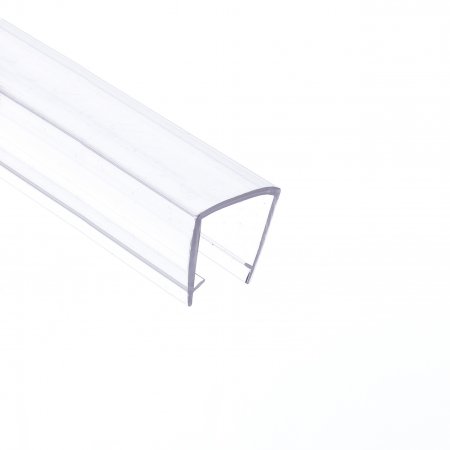
How multi-application shower seal profiles are reviewed
Profile function and mounting edge
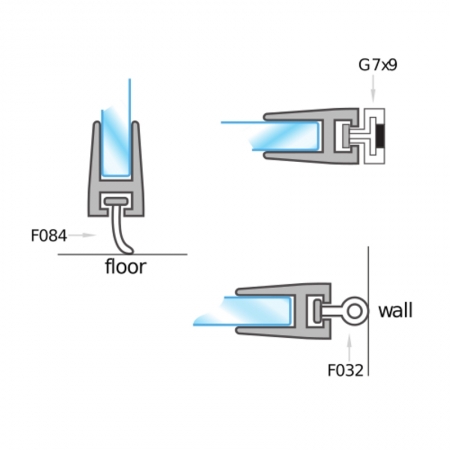
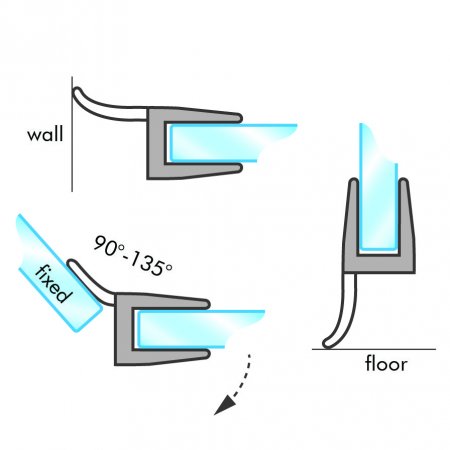
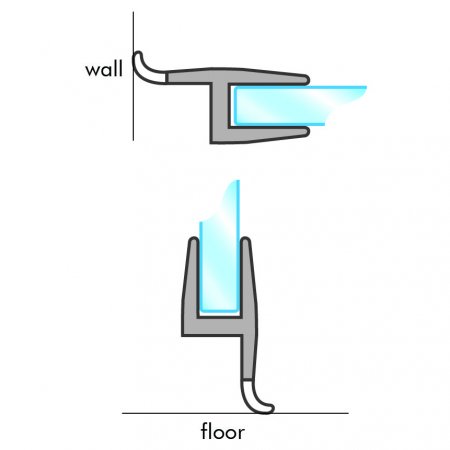
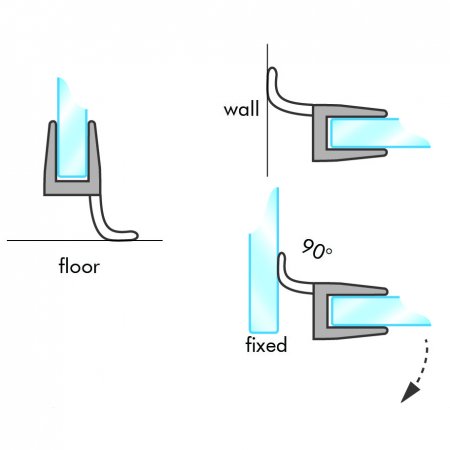
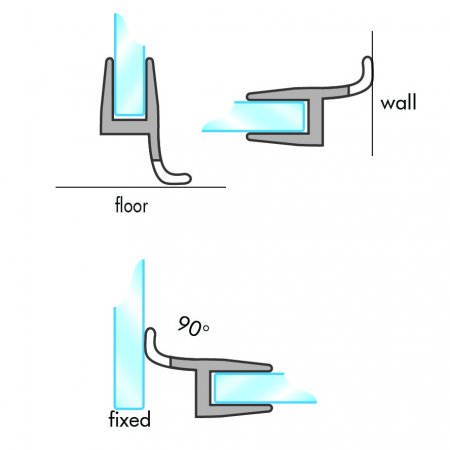
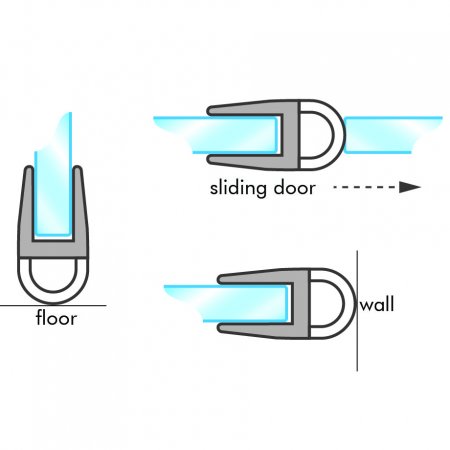
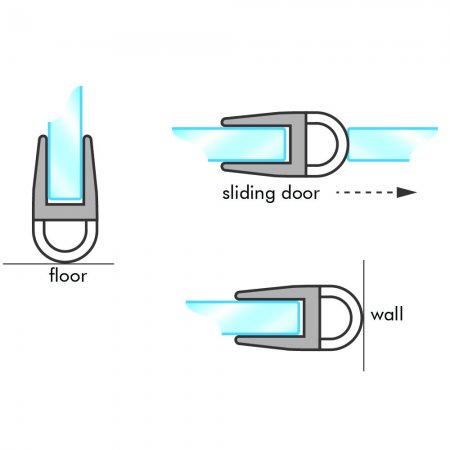
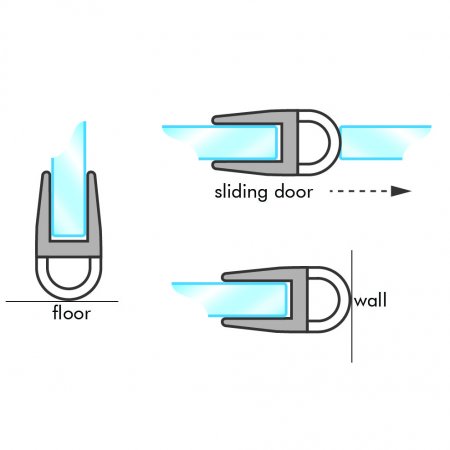
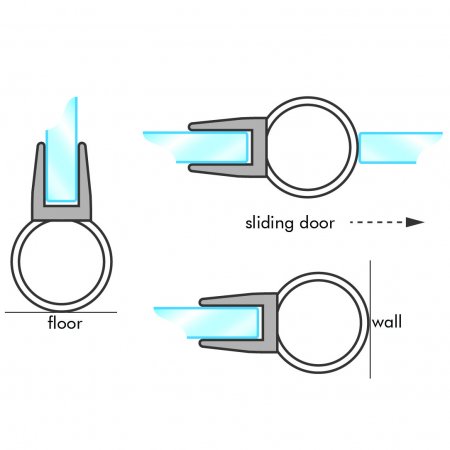
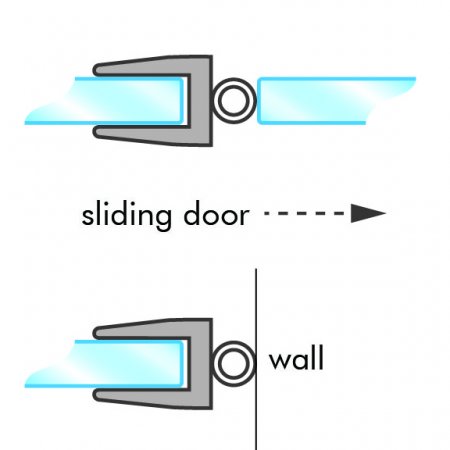
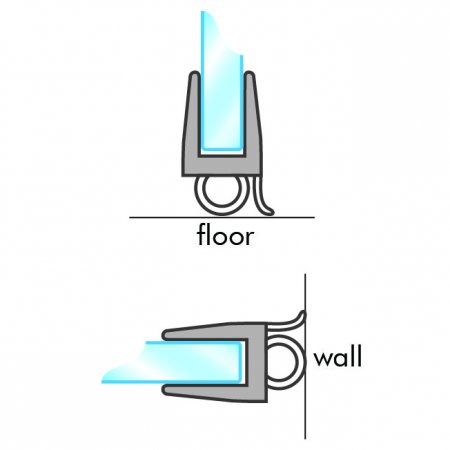
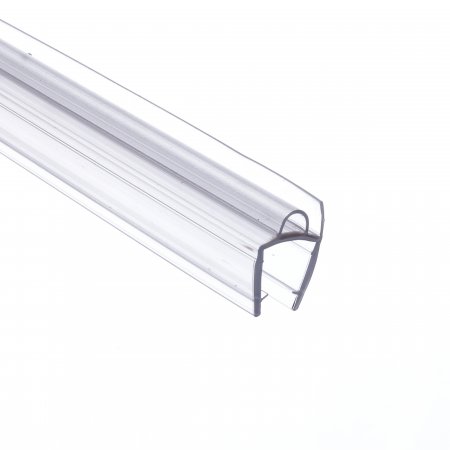
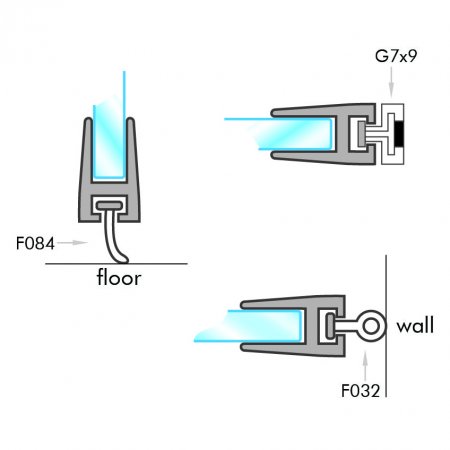
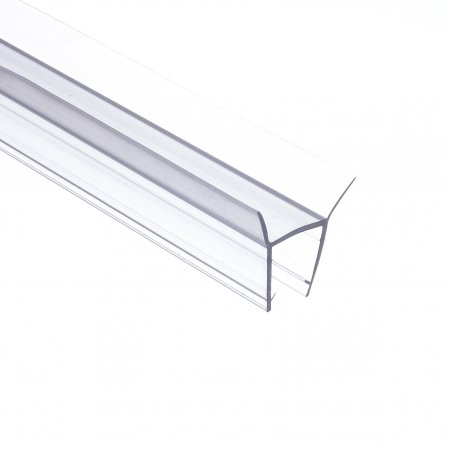
Begin by marking the exact glass edge on an enclosure drawing. State whether the profile is intended to address a meeting edge, side gap, lower edge or another position. A profile should not be assigned a function solely from its visual similarity to an existing section.
Glass thickness and gripping channel
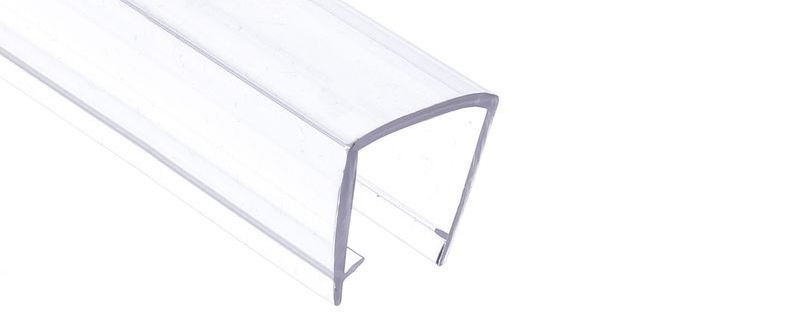
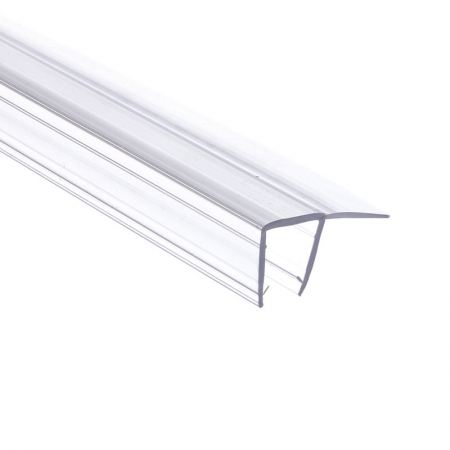
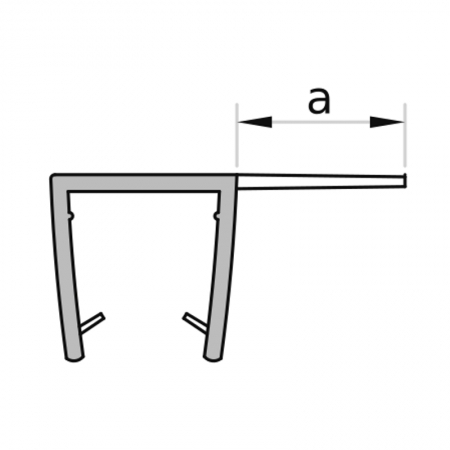
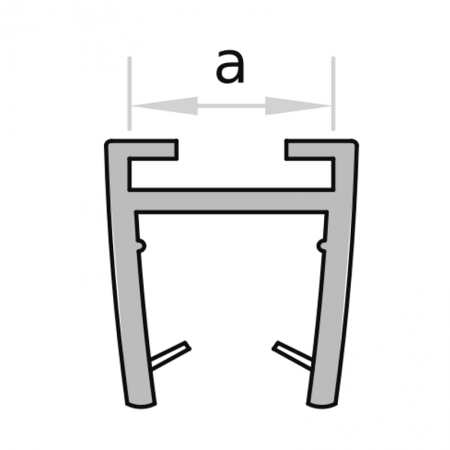
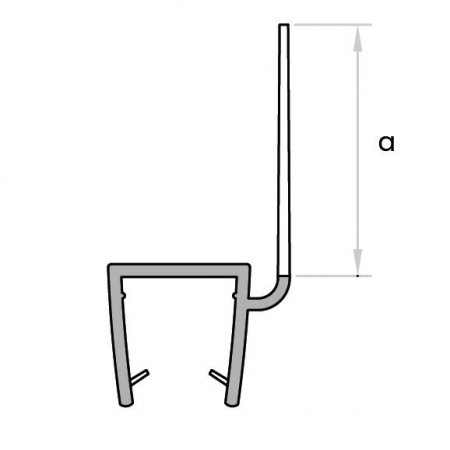
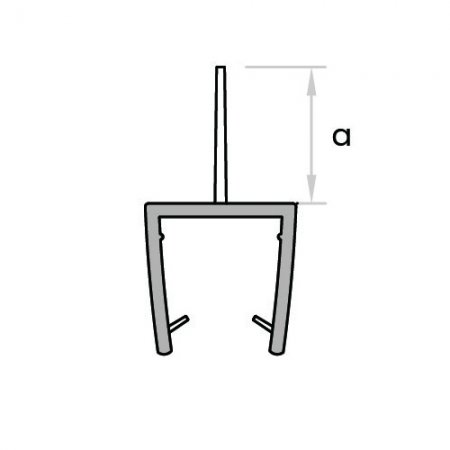
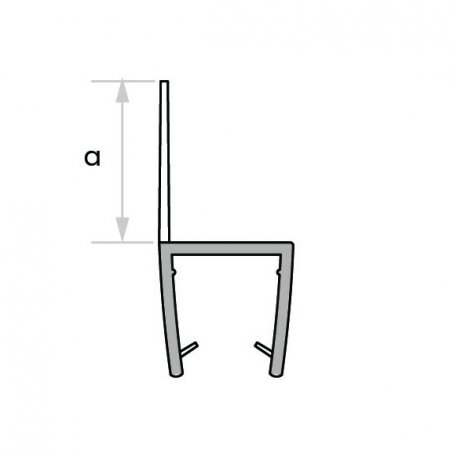
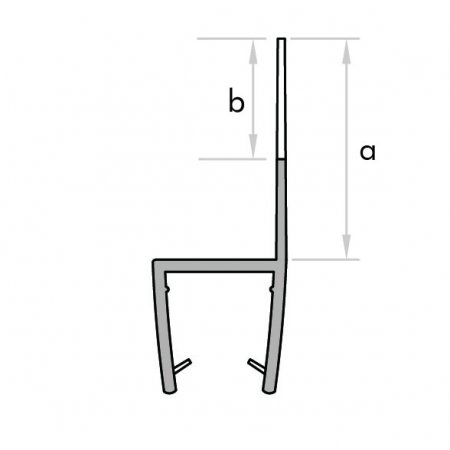
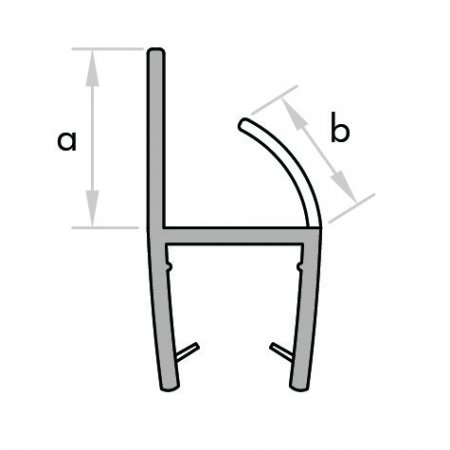
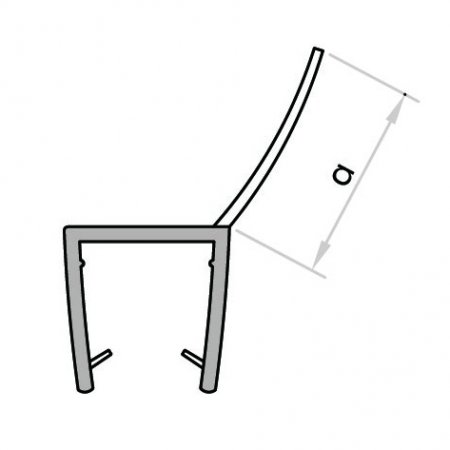
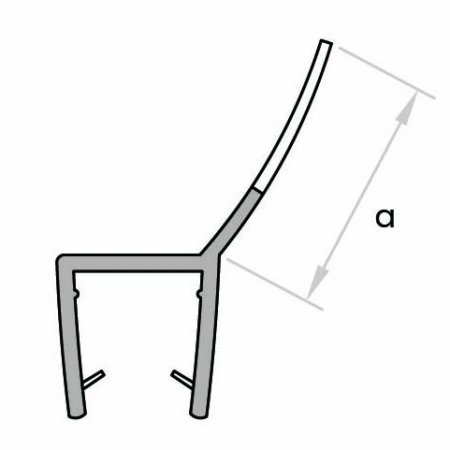
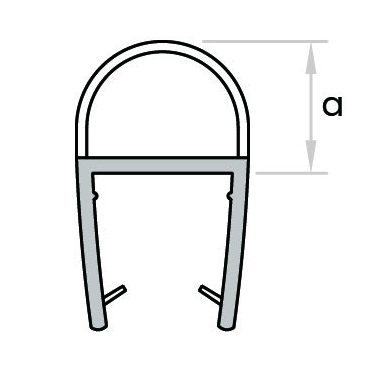
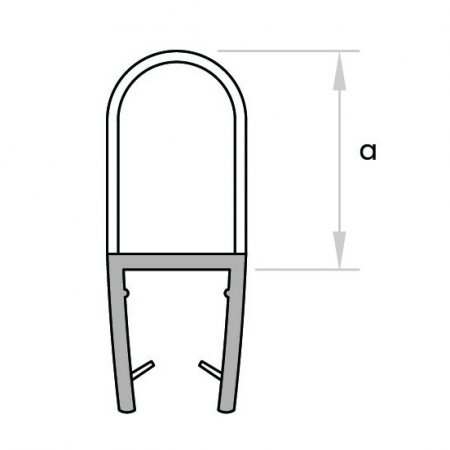
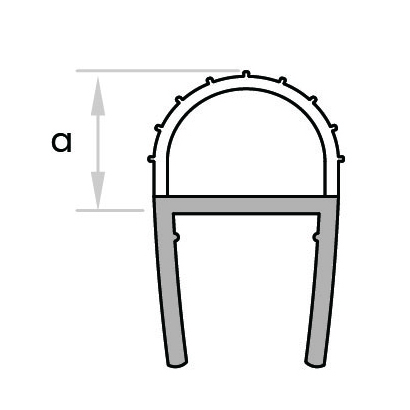
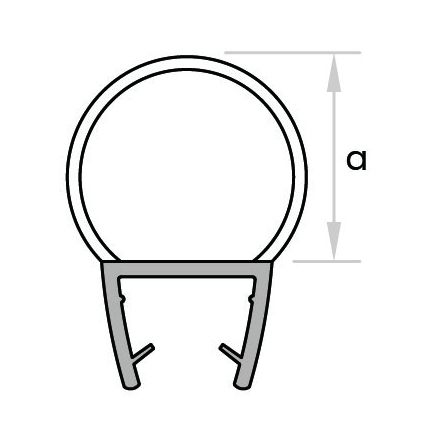
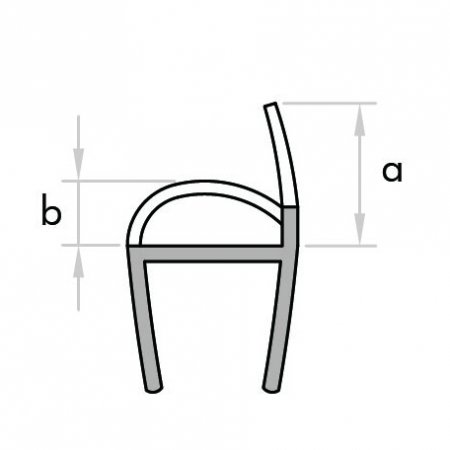
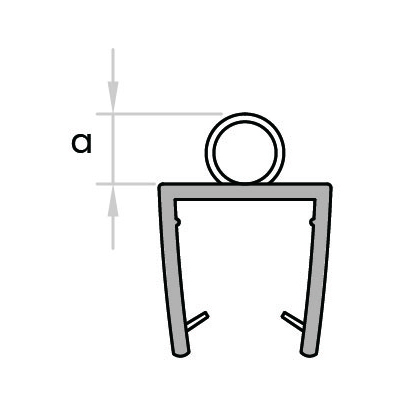
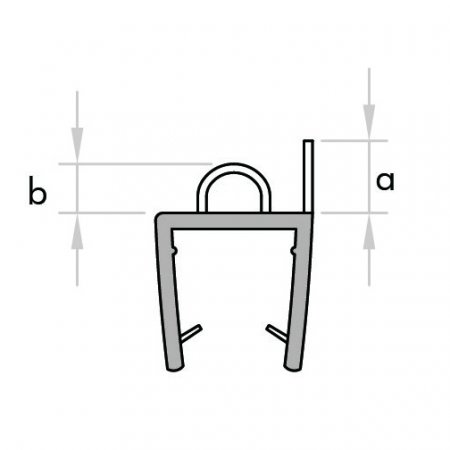
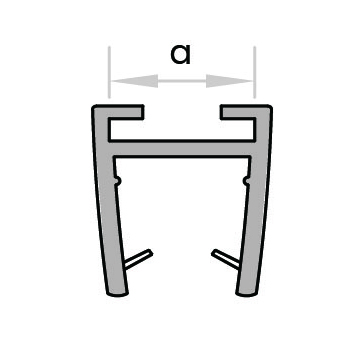
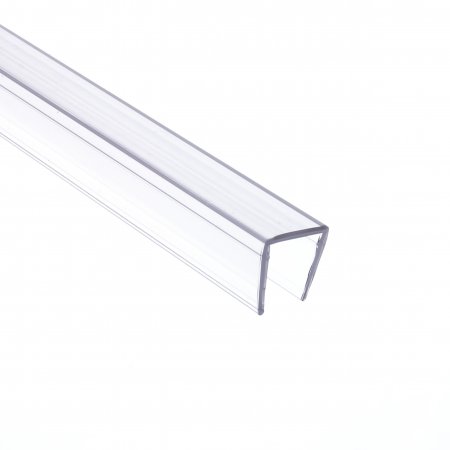
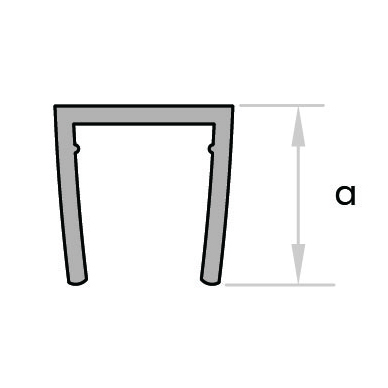
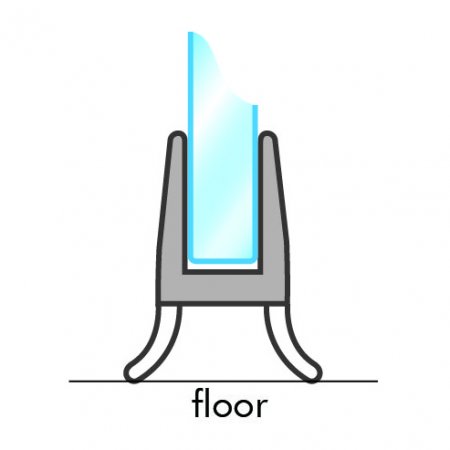
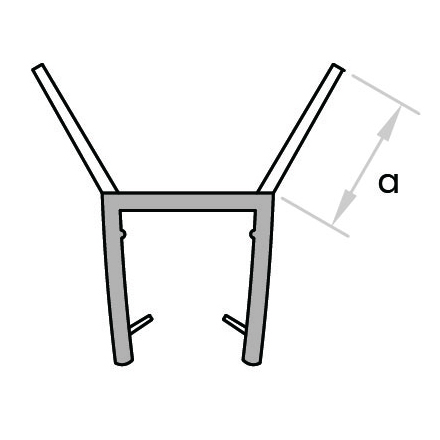
The measured glass thickness is a primary selection input because the gripping channel must correspond to the glass edge. Use the published table for the relevant model as a reference, then confirm the full cross-section and application before ordering.
Movement, gap and contact direction
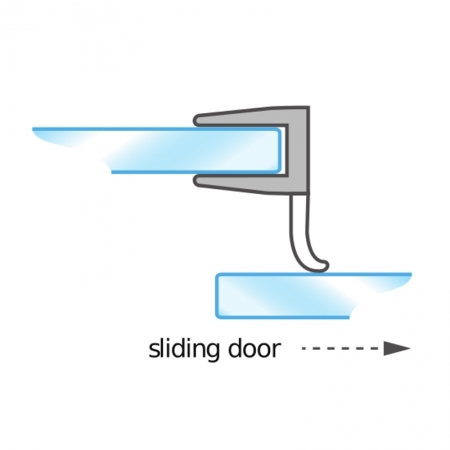
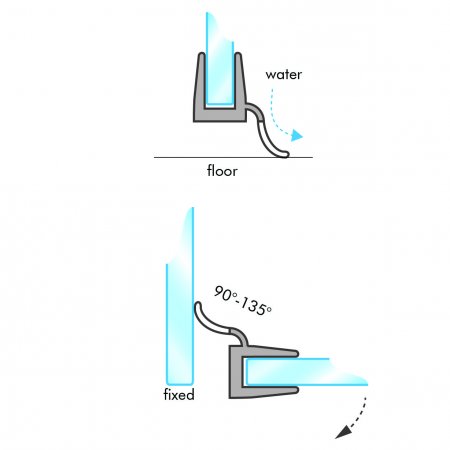
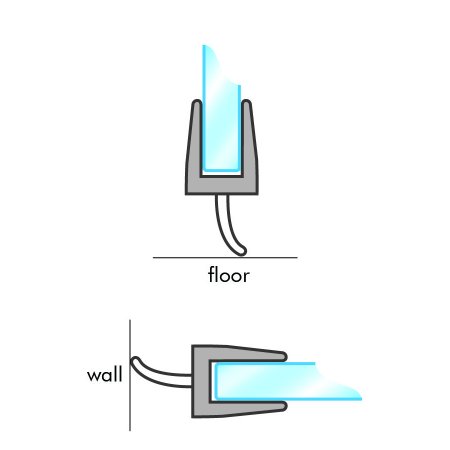
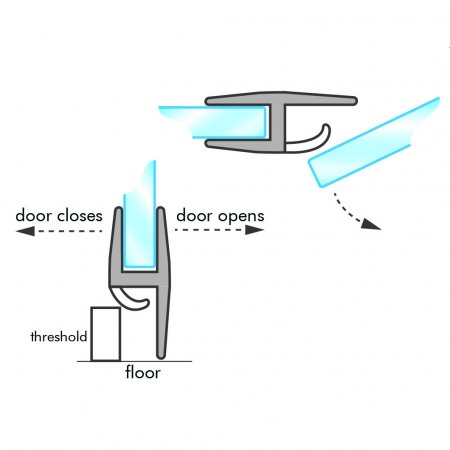
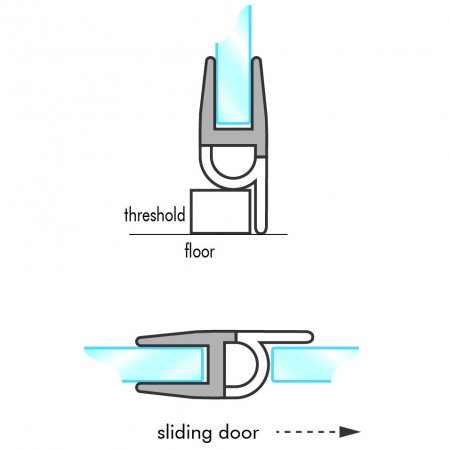
Show whether the panel is fixed, swinging, sliding or folding, and provide photographs in the relevant open and closed positions. Measure the gap at the actual mounting edge and show the direction in which the flexible section should contact the adjacent surface.
Established model or custom profile
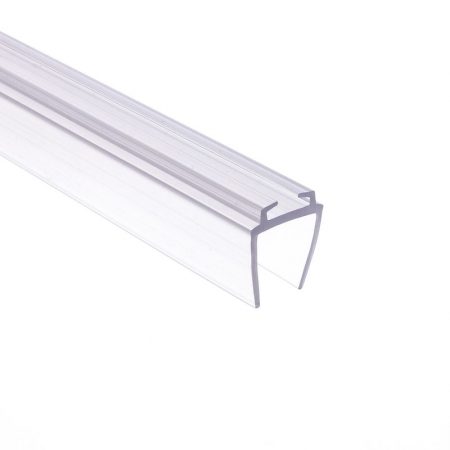
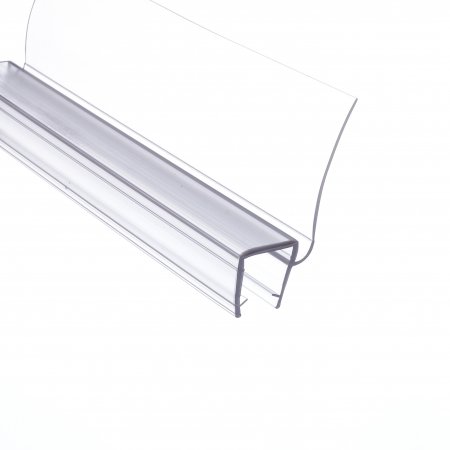
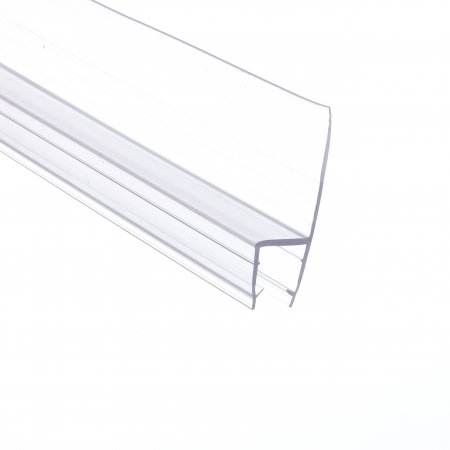
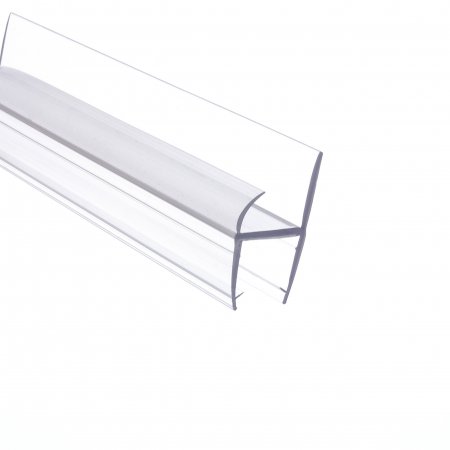
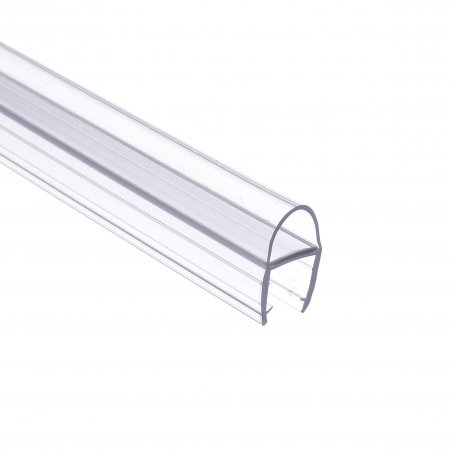
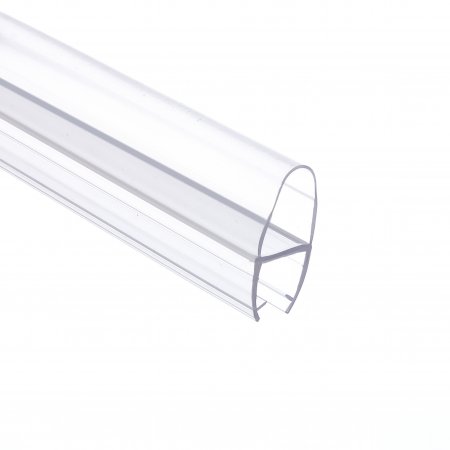
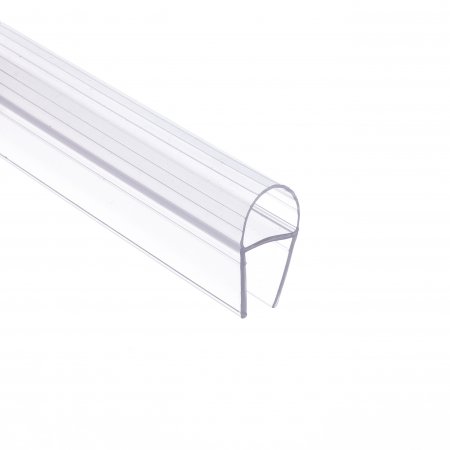
An existing model may provide a suitable starting point when its section and dimensions correspond to the project. If the published range does not match the required geometry, GoldRays can review the enquiry through its custom shower door seal profile process using a drawing or physical sample.
Versatile profile enquiry workflow
- Application review: identify the function, mounting edge, panel movement, glass thickness and gap.
- Profile comparison: compare the buyer’s drawing, sample or photographs with the published models.
- Specification clarification: confirm the section, dimensions, length, expected quantity, market and packaging requirements.
- Sample or specification confirmation: agree the profile information used for the supply review.
- Commercial review: confirm the B2B project details before production planning.
When the required function is already known, review the dedicated categories for bottom shower door seals, magnetic shower door seals, sliding shower door seals, or the broader standard shower seal range.
Frequently asked questions
Does GoldRays manufacture versatile shower door seal profiles?
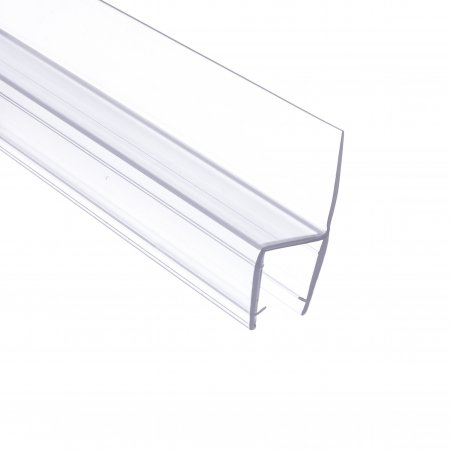
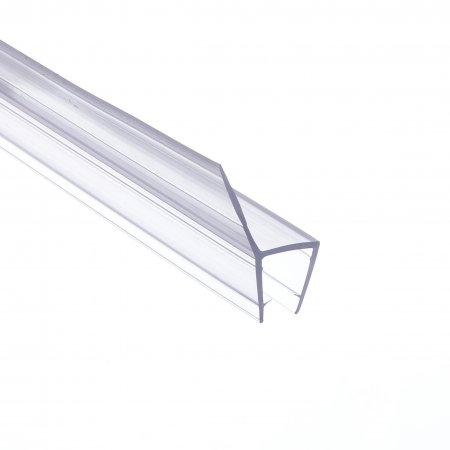
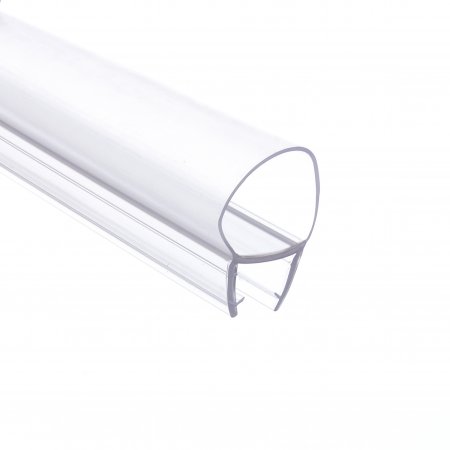
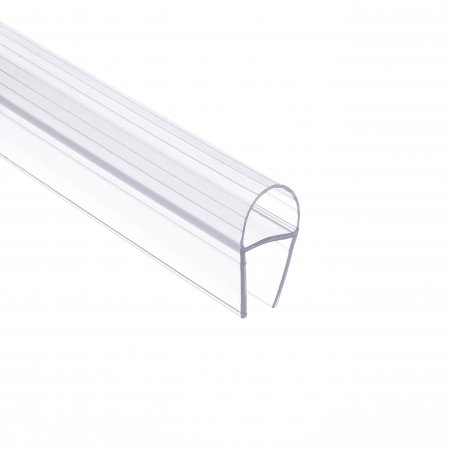
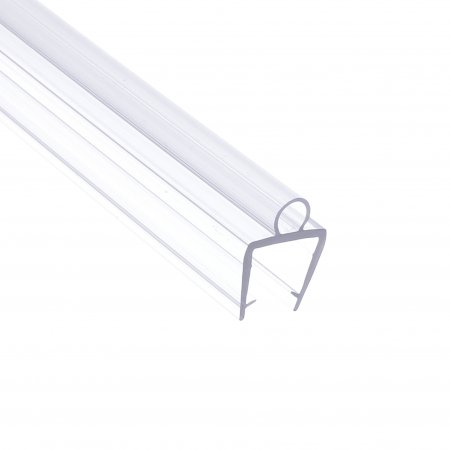
Yes. GoldRays manufactures and supplies the published profile models for B2B buyers. The images and dimension tables provide references for comparison with a buyer’s application.
Does “versatile” mean that every model fits every shower door?
No. Each model has its own section and dimensional references. Suitability depends on the glass thickness, mounting edge, gap, required function and panel movement.
Can I select a profile using glass thickness only?
No. Glass thickness is necessary, but the channel shape, flexible section, function, gap and movement also affect compatibility.
Can GoldRays compare an existing profile sample?
GoldRays can review a cut sample, cross-section drawing or clear side-view photographs against existing models. Include measurements and photographs of the installed position.
When should I use a dedicated product category?
If the required function is already defined, a dedicated bottom, magnetic, swinging, sliding or bifold category may provide a more direct starting point. The application still needs to be checked against the individual model.
Can GoldRays review a custom multi-application profile?
A custom route can be discussed when an existing model does not match the required section. Send the drawing or sample, application details and expected project requirements for evaluation.
What should I send for a quotation?
Email goldrays@showerdoorseal.org with the model or profile drawing, glass thickness, mounting edge, required function, gap, panel movement, length, expected quantity and destination market.
What does versatile mean here?
These 20 profiles can be used in more than one position and cover glass from 4 to 15 mm thick, which can help distributors stock fewer SKUs.
Which model replaces my old seal?
Send a photo of the end of the old seal next to a ruler, with the glass thickness, to goldrays@showerdoorseal.org. We match it from our library of more than 3,200 moulds.
Supply terms
- Minimum order: 500 m per model as a guide; smaller runs are often possible
- Lead time: 3 to 4 weeks for standard orders
- Samples: free, cut lengths up to 1 m
- Custom profiles: tooling typically USD 300 to 400, exclusive to you
- Testing: SGS UV-ageing, mould and REACH SVHC results, see the test results
- Contact: goldrays@showerdoorseal.org
Request a quote · Order free samples
Request a shower seal profile review
Compare the published models and send the available measurements, drawings or sample photographs to goldrays@showerdoorseal.org. GoldRays will review whether an existing profile can be evaluated for the application or whether a custom discussion is more appropriate.